Master Lot Clearing Florence Tree Pros
Uncover the Key Services Delivered by a Professional Arborist for Healthy Trees
A professional arborist offers a range of services essential for keeping trees healthy and improving landscapes. Their expertise in tree pruning stimulates development and lessens dangers. They also assess and handle tree diseases, ensuring tailored treatment plans are implemented - Florence Arborist. Additionally, arborists manage secure tree removal and aid in planting and transplanting. Their role becomes even more crucial during urgent times such as storm damage. Being aware of these services can greatly impact one’s approach to tree care
The Significance of Tree Pruning
Although many homeowners may overlook the need for tree pruning, it serves a vital function in upholding the vitality and aesthetics of trees. Correct pruning helps trees develop a sound framework, eliminating dead or infected limbs that could present try this dangers. By carefully cutting branches, the tree can direct its energy on healthy growth, promoting better air circulation and sunlight penetration. Additionally, pruning can enhance the overall appearance of the tree, contouring it for attractiveness in residential landscapes.
Moreover, regular pruning can avoid possible dangers, such as falling branches during storms or high winds, which could cause property destruction or injure individuals. It also helps prevent of insect problems and diseases by enhancing the tree's hardiness. Ultimately, investing in professional arborist services for tree pruning guarantees that trees remain healthy, safe, and aesthetically appealing, contributing considerably to the overall beauty and value of the property.
Diagnosing and Managing Tree Diseases
Tree health can be considerably affected by various diseases that may not always be readily apparent. A professional arborist serves a vital function in detecting these problems soon, utilizing a combination of visual inspections and testing equipment. Symptoms such as unusual leaf coloration, wilting, or irregular growth shapes often indicate hidden health problems. Arborists examine these indicators to determine exact ailments, whether fungal, bacterial, or viral in nature.
Once diagnosed, the professional designs a bespoke care program. The plan often involves targeted treatments, such as bactericides or fungicides, and cultivation methods that boost the tree's resistance. Additionally, proper watering, mulching, and fertilization can considerably improve tree health and resistance to diseases. Routine check-ups and follow-up treatments are necessary for effective management, securing the long life and health of the trees. By taking a proactive approach to tree diseases, arborists help maintain the environmental value and aesthetic appeal provided by healthy trees.
Guidelines for Safe Tree Removal
Safe tree extraction techniques are critical for securing the safety of the crew and limiting harm to surrounding property. Expert tree specialists conduct a thorough assessment of the state of the tree, where it is situated, and the immediate vicinity prior to starting the extraction. They utilize specialized equipment, such as ropes and cutting tools, to guarantee precise cuts and manage the tree during its descent.
A carefully designed extraction plan involves spotting possible dangers, such as nearby buildings or utility lines, which can impact the safety of the operation. Professionals commonly utilize the process called "sectional dismantling," where the tree is cut down in small sections, lessening the hazard posed by dropping wood.
Moreover, arborists adhere to local rules and standards to guarantee compliance and responsible environmental care. Once the tree is down, proper cleanup and disposal of the tree debris, stump removal being included, contribute to the overall safety and look of the landscape.
Guidelines for Tree Installation
The process of tree establishment requires careful consideration of site selection and planting techniques to guarantee long-term health and successful establishment. An appropriate setting greatly affects a tree's development, whereas good planting practices reduce trauma and promote successful establishment. Arborists emphasize these factors as critical for improving the vigor and longevity of trees in all environments.
Choosing the Right Location
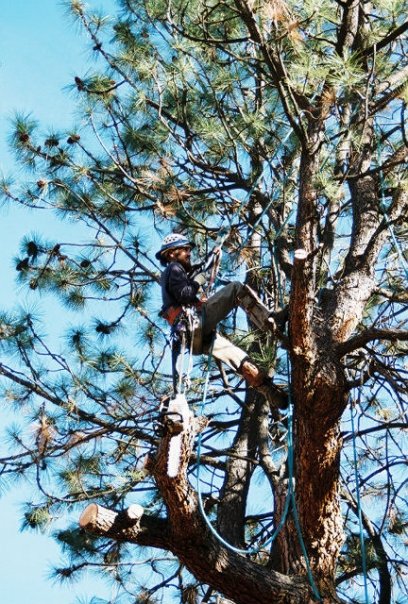
Choosing the right location for planting or transplanting trees is critical to their future development and vitality. Factors such as the condition of the soil, the amount of sun, and water flow needs careful consideration. Certified arborists examine the specific site conditions, ensuring that the planting location has enough food sources and support for the tree species. Additionally, the proximity to existing structures and neighboring vegetation is crucial to avoid resource contention and avoid potential damage. Arborists also consider the tree’s maximum height and width and root structure, making sure there is ample room to expand. Through a comprehensive site evaluation, these professionals assist customers reach educated conclusions that foster robust, flourishing trees, ultimately enhancing the landscape’s visual appeal and natural benefits.
Best Practices for Planting
Once the site has been carefully assessed and selected, the next step involves using optimal methods for planting trees. Proper preparation of the planting hole is vital; it should be double the diameter of the root system and the same depth as the root ball. It is necessary to set the tree in the hole so that the upper surface of the roots aligns with the existing grade. Fill the hole with local earth, making sure to eliminate air gaps, and soak the area well to encourage early root growth. Mulching around the base assists in keeping water in and keep weeds down. Florence Arborist. When relocating established trees, it’s important to minimize root disturbance and relocate the plant in its resting phase for the best chance of survival. Implementing these practices fosters healthy growth and extended health
Arborist Action Following Severe Weather
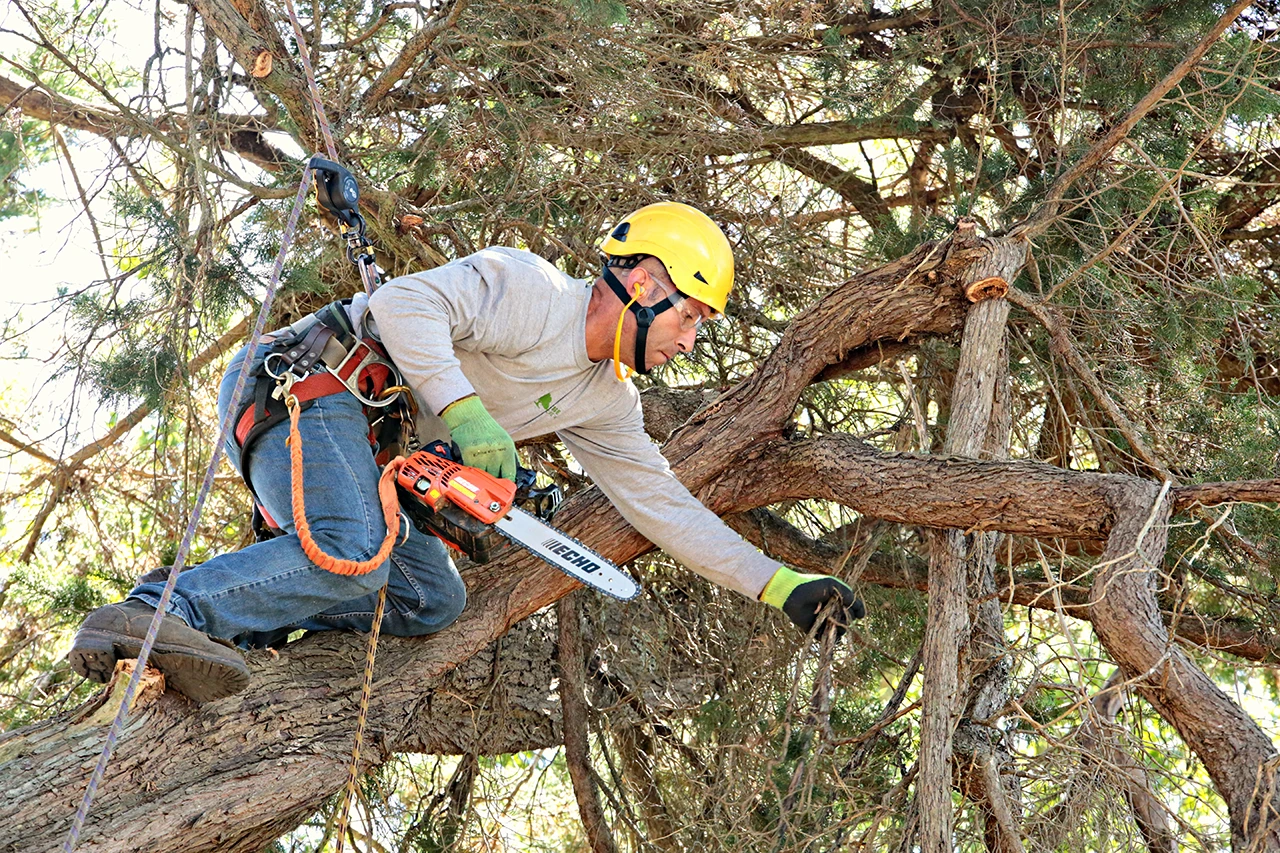
When severe storms strike, the aftermath can leave trees in perilous conditions, endangering structures and security. Professional arborists play a vital role in emergency response, evaluating storm-damaged trees to determine their stability and health. Their knowledge enables them to determine which trees can be salvaged and which present immediate dangers that must be removed.
Using professional equipment, they can carefully cut damaged boughs and clear debris, minimizing further damage to surrounding areas. The experts also give useful recommendations on precautionary steps, such as picking durable tree varieties for subsequent landscaping.
Apart from the initial cleanup, tree specialists assist clients in grasping the possible lasting consequences of the storm, giving counsel on how to repair and revive. By acting swiftly and efficiently, these experts do more than just secure homes but also contribute to the restoration of the local environment following major weather events.
Nutritional Support and Earth Maintenance
Following the aftermath of storm damage, focus shifts to the health of remaining trees, highlighting the significance of nutritional support and soil management. A qualified tree expert checks soil conditions and tree health to determine precise nutrient requirements. Trees need key nourishment, like nitrogen, phosphorus, and potassium, to recover and thrive following stressful periods.
Soil management is crucial for how nutrients are accessed and root growth. Tree specialists often suggest soil amendments, like organic matter, to enhance the ground's composition and microbial activity. The correct pH balance are also assessed, as they impact how nutrients are absorbed.
Incorporating mulching techniques can keep the ground moist and prevent weed growth, making a suitable condition for the tree's recuperation. With a detailed feeding regimen and implementing effective soil management strategies, arborists make certain trees regain strength, resilience, and overall health, vital for maintaining a balanced ecosystem following environmental disturbances.
Common Queries
When Should My Trees Be Checked?
Trees should be evaluated once a year for peak health. Nevertheless, checking them more often may be necessary for younger trees, following harsh storms, or if distress or illness becomes apparent.
Which Credentials Should I Seek in an Arborist?
In your search for a tree expert, one should look for credentials such as ISA (the ISA) accreditation, proven track record, proper liability insurance, and a strong reputation locally, ensuring expertise in tree care and safety practices.
Are There Specific Tools Arborists Use for Tree Care?
Arborists employ various specialized tools for tree care, including chainsaws, pruning shears, climbing gear, and stump grinders. Every piece of equipment has a distinct function, allowing for proper upkeep, pruning, and tree extraction and boosting total well-being and safety.
What is the Influence of Climate on Tree Health?
Weather conditions greatly impact tree health; too much water often causes root rot, while drought stresses trees. Harsh weather conditions may cause damage to leaves and branches, which affects growth, sturdiness, and general health of the trees.
Am I able to care for my trees personally, or Do I need to call in a specialist?
Even though a few fundamental tree care duties can be done by people themselves, it is usually recommended to hire an expert - Florence Arborist. Professionals have the necessary tools and specific knowledge, ensuring that trees receive the right maintenance needed for the best possible health and growth